
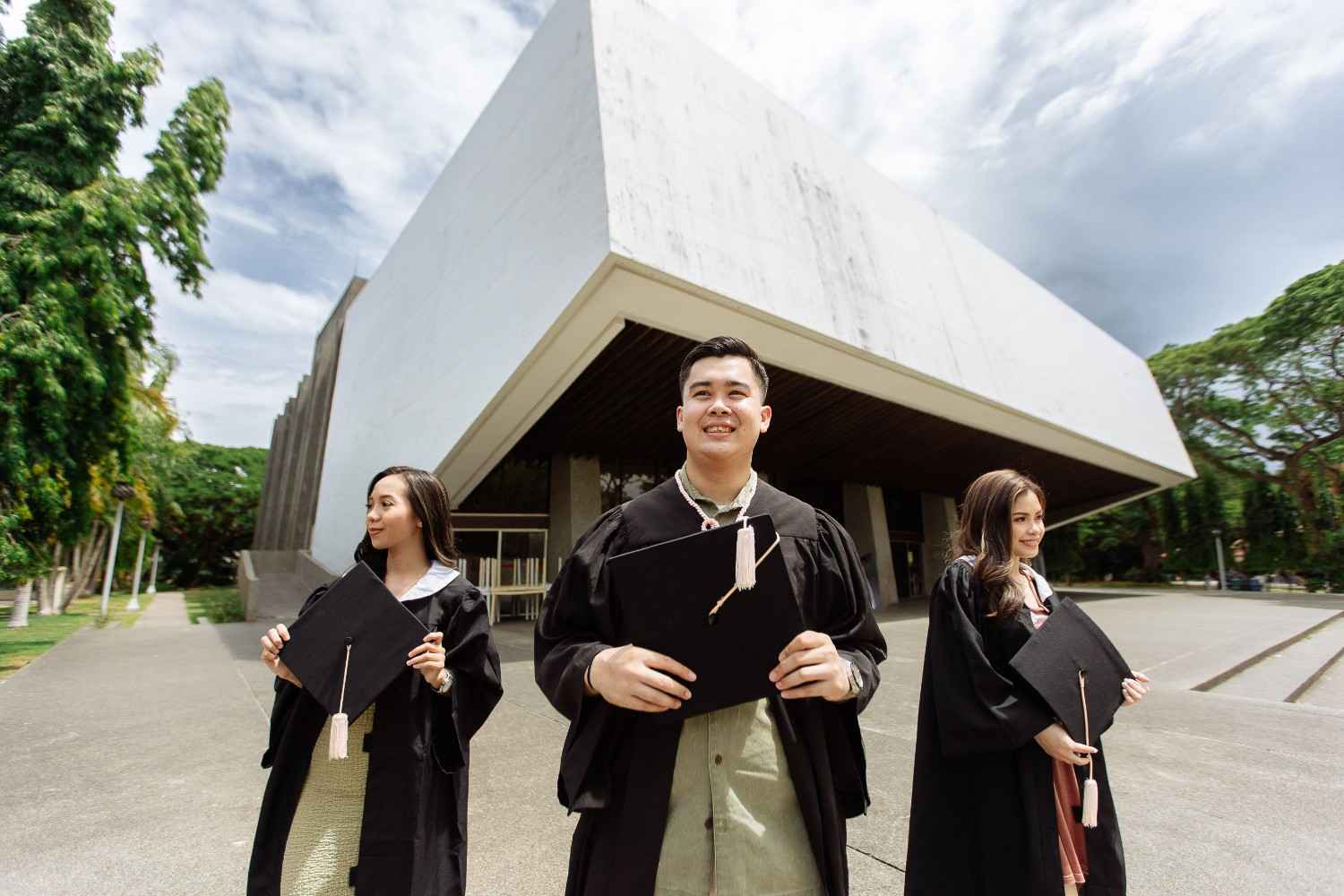
Finishing a degree in Australia is a big milestone. For many Malaysian students, the next question is whether they can stay on and build a career there. The good news is that Australia does offer genuine permanent residency (PR) routes for international graduates. The less good news is that none of them are automatic.
Getting from a student visa to PR involves several stages, each with its own rules, timelines, and eligibility criteria. This guide breaks down the process step by step, using the most current visa settings, so you know what to plan for before you finish your course.
Why Australia Remains a Strong Choice for Malaysian Graduates
Malaysian students choose to study in Australia for its globally recognised universities, multicultural cities, and relatively short travel time home. It also has a structured post-study work system, which is rare compared with many other study destinations.
Skilled sectors such as healthcare, engineering, IT, education, and construction consistently face shortages. This works in favour of graduates in these fields, since demand often translates into more skilled visa opportunities down the line.
None of this guarantees PR. But it does mean the pathway is realistic for students who plan ahead rather than assume a job offer or degree alone will be enough.
Step One: The Temporary Graduate Visa (Subclass 485)
The Subclass 485 visa is the usual first step after graduation. It is a temporary visa, not a PR visa, but it buys you time in Australia to work, gain experience, and improve your profile for a skilled visa later.
Since July 2024, the visa has been restructured into two main streams. The Post-Higher Education Work Stream covers bachelor’s, master’s, and PhD graduates. The Post-Vocational Education Work Stream covers diploma and trade qualifications.
Visa duration now depends on your qualification level. Bachelor’s and master’s graduates typically receive up to two years, PhD graduates up to three years, and vocational graduates up to eighteen months. These durations are shorter than they once were, so timing your application matters.
There are two eligibility points worth flagging early. First, the age limit for most applicants was reduced from 50 to 35, with exceptions for Master’s by Research and PhD graduates, who can still apply up to age 50. Second, the English language requirement rose to an overall IELTS score of 6.5 (or equivalent), and your test result must now be less than twelve months old at the time of application.
Missing either of these thresholds by even a small margin can mean reapplying from scratch, so it is worth checking your eligibility well before your course ends.
Step Two: Building Points for Skilled Migration
Permanent skilled visas in Australia run on a points test. You need a minimum of 65 points simply to be eligible, but in practice, invitations typically go to candidates scoring 85 or higher, depending on the occupation and the year’s demand.
Points are awarded for factors including age, English language ability, skilled work experience, qualifications and, where relevant, state or regional nomination. Time spent gaining Australian work experience during your 485 visa can meaningfully boost your score.
This is why most successful graduates treat the 485 visa period as active preparation, not a holding pattern. Improving your English test score, gaining relevant work experience and researching nomination options all count.
Step Three: Choosing the Right PR Pathway

Once you have a competitive points score, there are several skilled visa routes to PR. Each suits a different profile.
The Subclass 189 (Skilled Independent) visa requires no employer or state sponsorship. It suits graduates with strong points scores and an occupation on the relevant skilled list.
The Subclass 190 (Skilled Nominated) visa requires nomination by an Australian state or territory. Nomination usually adds points and can make an otherwise borderline application competitive, but it may include a commitment to live in that state for a period.
The Subclass 491 (Skilled Work Regional) visa is for regional Australia. It offers additional points and a faster route for some occupations, followed by an eventual pathway to permanent residency through the Subclass 191 visa after meeting income and residence requirements.
Employer-sponsored routes are also worth considering. The Skills in Demand (SID) visa replaced the old Temporary Skill Shortage (subclass 482) visa in December 2024 and can, for some occupations and salary tiers, lead to permanent employer-sponsored PR.
There is no single “best” pathway. The right choice depends on your occupation, your points score, your willingness to live regionally, and whether you can secure sponsorship.
Does Your Occupation Qualify?
Skilled visa eligibility depends heavily on your occupation appearing on the relevant list. Australia consolidated its previous overlapping lists into the Core Skills Occupation List (CSOL) in December 2024, which now underpins the Skills in Demand visa and feeds into eligibility for several PR pathways.
The CSOL is reviewed periodically based on labour market data, so an occupation that qualifies today may be adjusted later. Checking your occupation against the current list, rather than relying on older articles or forum posts, is essential before committing to a study or career plan built around migration.
Common Mistakes Malaysian Students Make
A few patterns come up often. Some students choose a course without checking whether the linked occupation is in demand, only to discover a mismatch after graduating. Others let their English test results expire before lodging their 485 or skilled visa application.
A common one is underestimating processing times. Skilled visa outcomes can take many months, and delays compound if documents are incomplete or an occupation assessment is needed first. Starting the planning process early, ideally while still studying, avoids most of these issues.
How Inquota Education Services Supports This Journey
At Inquota Education Services, we support Malaysian students throughout their study abroad journey, from the earliest course selection stage right through to student visa approval, and we factor future pathways into that advice from the start. Choosing a course connected to an in-demand occupation, understanding visa requirements ahead of time, and preparing documentation properly all make a measurable difference later.
We are not migration agents, and PR applications themselves require guidance from a registered migration agent or immigration lawyer once you reach that stage. What we do provide is grounded, practical advice on the study side of the journey, informed by our experience placing students with Australian universities and tracking how visa policy shifts over time.
Planning Ahead Is the Real Advantage
PR in Australia is achievable for many Malaysian graduates, but it rewards early planning far more than it rewards last-minute effort. Understanding the 485 visa, the points test and the various skilled pathways before you even choose your course puts you in a stronger position than most.
If you are weighing up study destinations with an eye on long-term migration, speaking with an education consultant early can help you choose a course and pathway that actually aligns with your goals. Contact us today!
Frequently Asked Questions
Not directly. Graduates typically move onto the Temporary Graduate visa (Subclass 485) first, then build points through work experience and English proficiency before applying for a skilled PR visa such as the 189, 190 or 491.
There is no fixed timeline. Most graduates spend one to three years on a 485 visa gaining experience before they qualify for a skilled visa, and processing for the PR visa itself can then take several more months, depending on the occupation and visa subclass.
Most 485 visa applicants must be under 35, though Master’s by Research and PhD graduates can apply up to age 50. For skilled PR visas, applicants generally need to be under 45 at the time of invitation.
Not for every pathway. The Subclass 189 visa does not require sponsorship, while the 190 and 491 require state or territory nomination rather than a job offer. Employer-sponsored routes, such as the Skills in Demand visa, do require a genuine job offer.
The 189 is a fully independent skilled visa with no sponsorship needed. The 190 requires nomination by an Australian state or territory. The 491 is for regional Australia and offers extra points, with a further step to permanent residency via the Subclass 191 visa after meeting residence and income conditions.